Electronics Engineering Latest Trends and Developments
 What is Electronics Engineering?
According to BYJU'S, ECE stands for Electronics and Communication Engineering, an engineering branch focused on producing, designing, researching, and testing electronic devices and technologies related to telecommunications, electronics, computers, and associated industries.

ECE professionals are responsible for designing, developing, and testing electronic devices and systems and the communication networks that connect them.
Current Innovations and developments in the ECE field.
Developments in Digital Electronics
As digital electronics continue to improve and innovate over time, countless new inventions have come to light. some examples of these inventions are:
Superinductors, developed in 2018, are a new type of inductor, which consists of a coil of wire, a current, and a magnetizable core. They resist changes in the magnetic field, initially opposing current flow before allowing it and then resisting again when the current is turned off. Alongside resistors and capacitors, inductors are fundamental components of circuits, but their size has limitations.

2. Autonomous Vehicles:

2. Internet of Things (IoT):
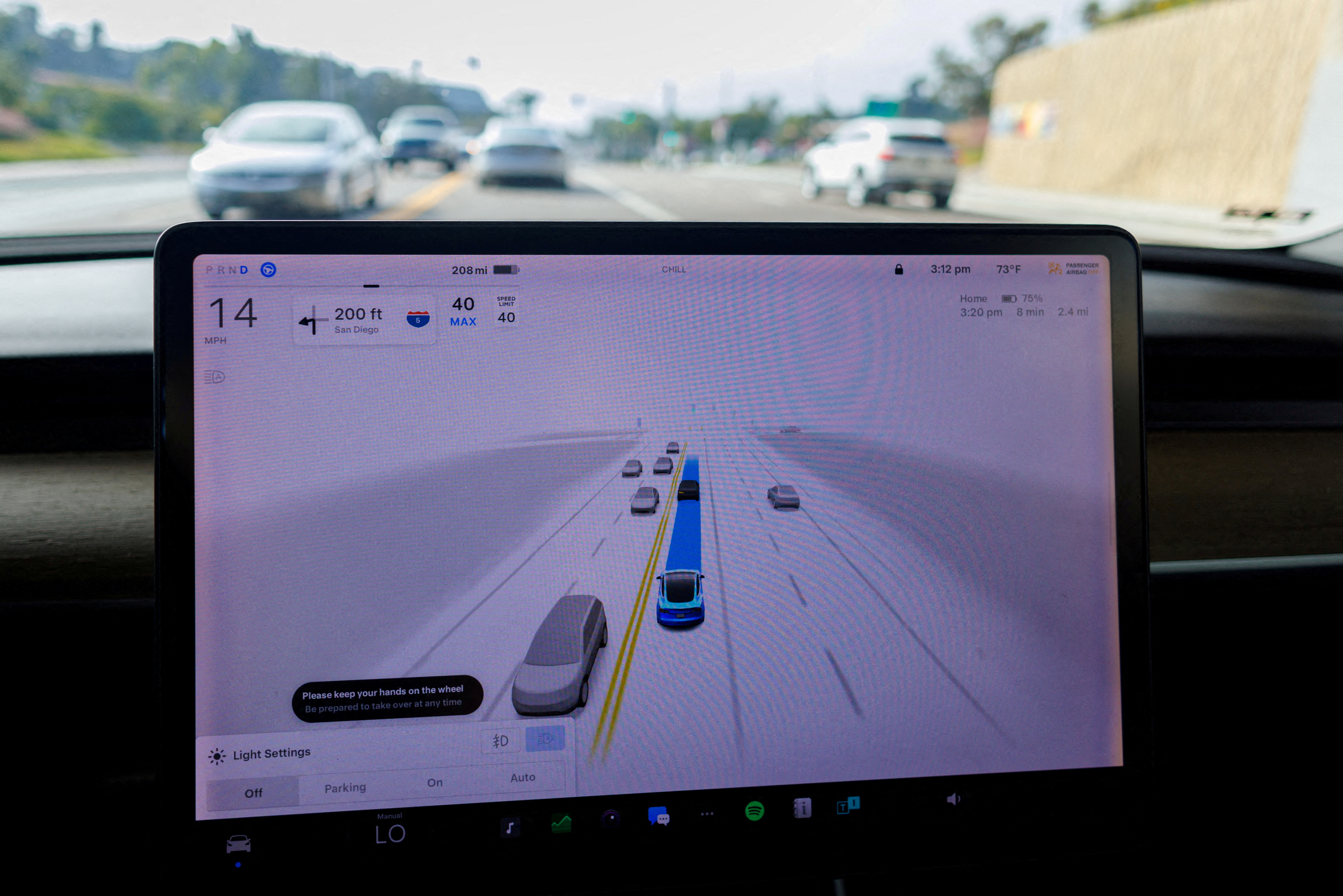
Autonomous vehicles use remote-sensing technologies like radar, GPS, cameras, and lidar to monitor their environment and create 3-D maps. Advanced computer systems process this data to make real-time decisions on steering, speed, and braking while adapting to changes in their surroundings.
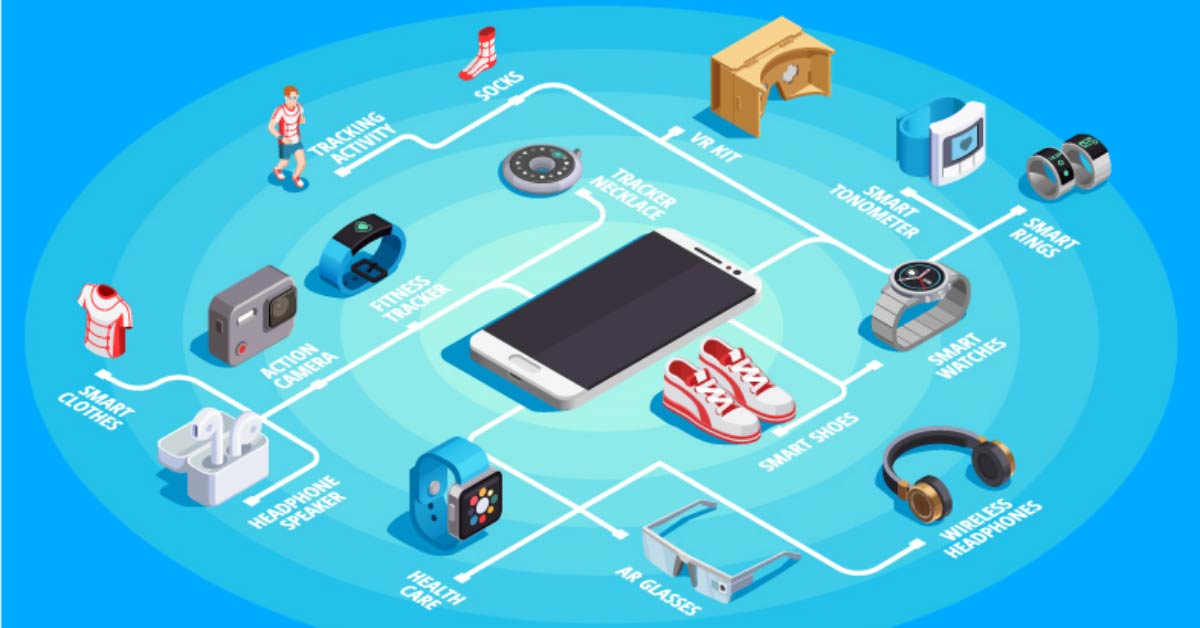
Advanced wearable devices monitor health metrics such as heart rate, blood pressure, and blood sugar levels. By connecting to smartphones and using AI for data analysis, they provide users with health insights and early warnings, promoting preventive healthcare and personalized health management.
Development in Telecommunications
5G is the fifth generation of mobile networks, connecting devices and machines with high data speeds, low latency, and improved reliability, enabling new user experiences and industry connections.
IoT devices and sensors are transforming technology sectors by improving quality of life, increasing business profitability, and enhancing management. They also help governments reduce IT costs. The interconnectivity of these elements is fostering innovative management solutions.
Wi-Fi 6 and Wi-Fi 6E have transformed wireless connectivity by providing higher speeds, lower latency, and enhanced capacity, which are crucial for small businesses with multiple mobile devices and demanding applications. Wi-Fi 6E specifically adds support for the 6 GHz band, reducing congestion and ensuring more reliable connections.

As they say necessity is the mother of innovation and with that, our technology is rapidly evolving as time goes by. Innovation serves the purpose of giving the people an easier life by creating something in order to solve problems and challenges we're facing everyday. Demand is also a key factor here, since they are only a finite amount of time and resources, it is true that there are only some if not a handful of products we can produce out of the materials we have. And so by innovation, only the people will survive and ultimately thrive.
ReplyDeleteAs an ECE student, I’d say what drives these innovations is a mix of curiosity and requirement. People always want faster, smarter, and more efficient tech to make life easier or solve problems. Like health tracking, faster and more reliable connections. It’s all about pushing boundaries and adapting to what society needs!
ReplyDelete